<< Back
7 Foods That Sound Healthy but Really Aren’t
July 18, 2026
Some foods just sound healthier than others. And when you see that “all-natural” or “plant-based” label, it’s easy to toss things in your cart without a second thought.
“People often assume that if a food is marked as natural, organic, low-fat or high-protein, it must be a healthy choice,” says Mehak Gandhi, MD, a primary care provider with Hartford HealthCare Medical Group. “But those words don’t always tell you what’s actually in the food.”
In fact, many products with a healthy reputation can still be high in added sugar, sodium, saturated fat or calories. Others may be highly processed or offer less protein, fiber and other nutrients than you’d expect.
Here are a few foods that seem healthy but aren’t always as nutritious as they look.
1. Granola
Granola has a reputation for being wholesome, and it can be.
But many store-bought versions are closer to dessert than breakfast, with added sugar, oils and serving sizes that are easy to underestimate.
“A little granola can add crunch and flavor,” Dr. Gandhi says. “The problem is that many people pour it like cereal, when the serving size may only be a quarter or half cup.”
If you love granola, check the label for added sugar and serving size. Or use it as a topping for plain yogurt instead of making it the main event.
> Related: Make Your Grocery Trip Instantly Healthier With These 5 Swaps
2. Flavored yogurt
Yogurt can be a great source of protein, calcium and probiotics.
But flavored yogurt can come with a lot of added sugar, especially the kinds with fruit on the bottom, candy-style mix-ins or dessert-inspired flavors.
“Yogurt itself can be part of a healthy diet,” Dr. Gandhi says. “But when it’s heavily sweetened, it can start to look more like a sugary snack.”
A better bet? Choose plain Greek yogurt and add your own fruit, cinnamon or a small drizzle of honey.
> Related: 6 Healthy Breakfast Ideas Your Heart Will Love
3. Smoothies
Smoothies are one of those foods that seem healthy, but the ingredients and portion size matter.
Depending on what’s in it, a smoothie can turn into a very large drink with a lot of sugar and calories, especially if it includes juice, sweetened yogurt, flavored syrups, sweetened protein powders or multiple servings of fruit.
“Smoothies can be healthy, but they’re not automatically healthy,” Dr. Gandhi says. “It depends on the ingredients and the portion size. And if a smoothie is made mostly with juice or strained ingredients, you may also lose some of the fiber that helps keep you full.”
To make a more balanced smoothie, include protein, fiber and healthy fat, like Greek yogurt, nut butter, chia seeds, avocado or unsweetened milk, instead of relying mostly on juice and fruit.
> Related: A Guide to Healthy Smoothie Ingredients
4. Veggie chips
They’re colorful and have “veggie” in the name. They may even come in a bag covered with pictures of spinach, beets or sweet potatoes.
But many veggie chips are still, well, chips.
“Some veggie chips have very little actual vegetable in them,” Dr. Gandhi says. “They may still be fried, salty and low in fiber.”
That doesn’t mean you can’t enjoy them. Just don’t count them as a vegetable serving.
If you’re craving something crunchy, try carrots, cucumbers, bell peppers or roasted chickpeas.
> Related: Not All Protein Bars Are Healthy. Here’s How to Tell
5. Protein bars
Protein is everywhere right now. And protein bars can be convenient, especially when you’re traveling, rushing between meetings or need something after a workout.
But some bars are highly processed and packed with added sugar, sugar alcohols or ingredients that make them feel more like a candy bar with extra protein.
“A protein bar can be useful in a pinch,” Dr. Gandhi says. “But it shouldn’t be your default replacement for whole foods.”
Look for a bar with a short ingredient list, enough protein to keep you full and not too much added sugar. And when you can, pair whole-food protein, like eggs, yogurt, nuts, beans, fish or chicken, with fiber-rich foods.
6. Plant-based meats
Plant-based doesn’t always mean healthier.
Some plant-based burgers, nuggets or sausages can be high in sodium, saturated fat and additives. They may be better for certain goals, but that doesn’t automatically make them a heart-healthy choice.
“Plant-based foods like beans, lentils, tofu, nuts and vegetables can be very nutritious,” Dr. Gandhi says. “But plant-based processed foods are still processed foods.”
If you’re choosing plant-based meat, compare labels with a focus on sodium, saturated fat and protein. And try to build most of your meals around less processed plant foods when you can.
> Related: Looking for a Charcuterie Board Alternative? Try a Healthy Snack Board
7. Low-fat or fat-free snacks
For years, “low-fat” sounded like the healthier choice.
But when fat is removed, something else is often added to make the food taste good. And that’s often sugar, starch or salt.
“Fat isn’t something you need to avoid completely,” Dr. Gandhi says. “Healthy fats can help with fullness and make meals more satisfying. The bigger goal is choosing healthier fats more often and minimizing saturated fat.”
Instead of choosing a food just because it says low-fat, look at the whole label. A small amount of avocado, nuts, olive oil or full-fat yogurt may be more satisfying than a low-fat snack that leaves you hungry an hour later.
> Related: The 9 Foods Nutritionists Always Have in Their Grocery Carts
8. Bottled green juices
Green juice looks like health in a bottle.
But many bottled juices are mostly fruit juice with a little spinach or kale added in. And because juicing removes most of the fiber, it may not keep you full the way whole fruits and vegetables do.
“Juice can make it easy to take in a lot of sugar quickly without much fiber,” Dr. Gandhi says. “That’s very different from eating a whole apple or a salad.”
If you like green juice, treat it as a drink, not a meal. And look for options with mostly vegetables, no added sugar and a smaller serving size.
That’s the tricky thing about foods that seem healthy. The front of the package can make something look like a better choice than it really is.
> Related: The Nutrition Mistakes You Didn’t Know You Were Making
The label matters more than the buzzwords
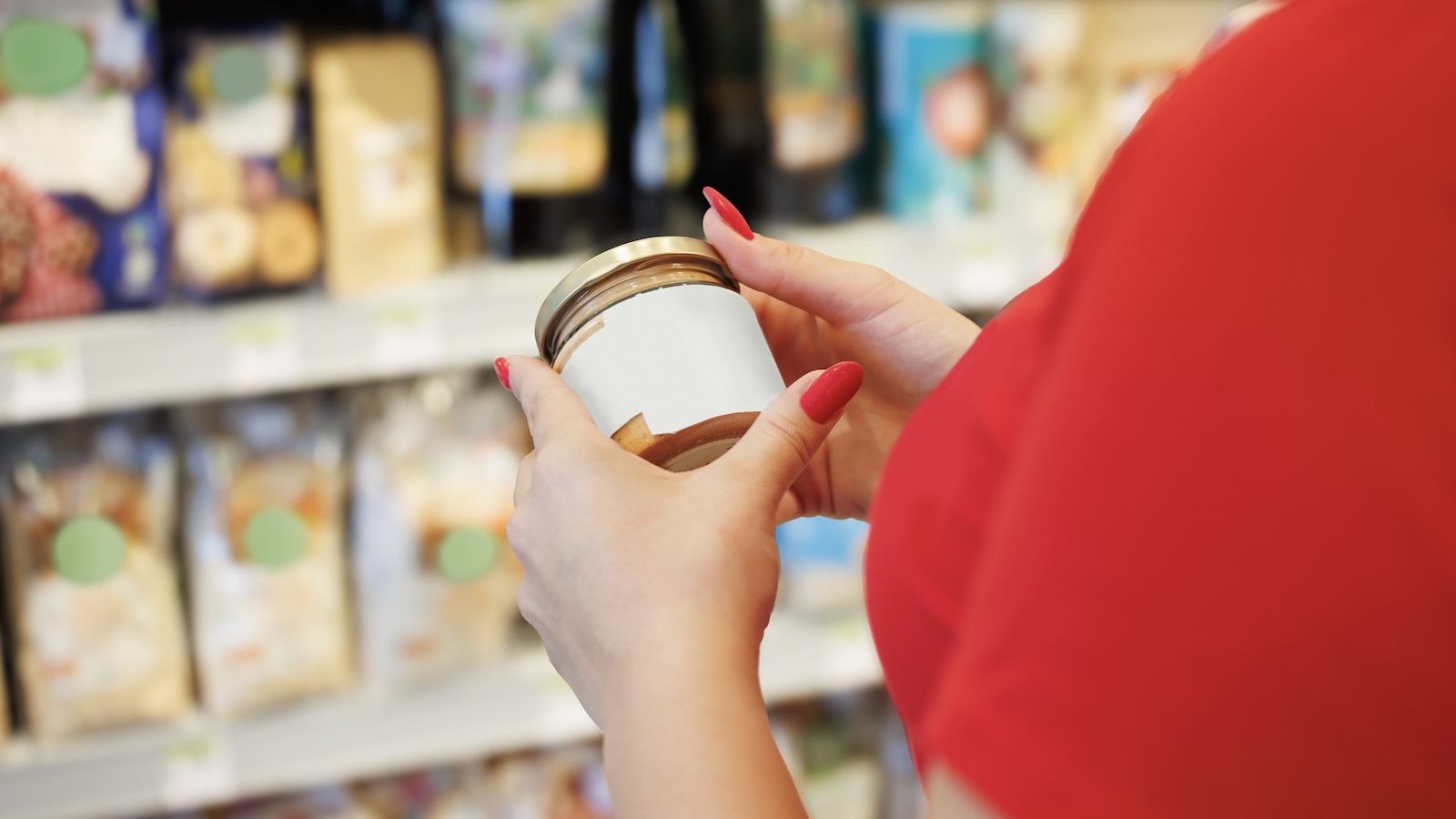
The front of the package is designed to catch your attention, but the back of the package is where the useful information lives.
“Don’t rely on one word on the front of the box,” Dr. Gandhi says. “Look at the nutrition facts, added sugar, sodium, saturated fat and ingredients list.”
And remember, one food doesn’t make or break your health.
You don’t need to swear off granola, smoothies or protein bars forever. You just need to know what you’re actually eating.